Rudolph Wurlitzer Manufacturing Co.
Opus 1787, 1928
Mayflower Theatre
9 W Main Street
Troy, OH, US
Instrument ID: 66402 ● Builder ID: 5445 ● Location ID: 57640
⬆️ These are database IDs that may change. Don't use as academic reference.EXPLORE IMAGESSomething not quite correct?Suggest an Edit
Plenum Organ Company
🤝 Instrument entries in Ohio sponsored by:
We are grateful for the generous support of our sponsors, who make it possible for us to continue our mission of preserving and promoting the rich history of pipe organs across the globe.

IMAGES
Something missing or not quite correct?Add ImageorSuggest an Edit
STOPLISTS
No stoplist details are available. If you have stoplists, please consider sharing them with us.
Something missing?Add StoplistorSuggest an Edit
CONSOLES
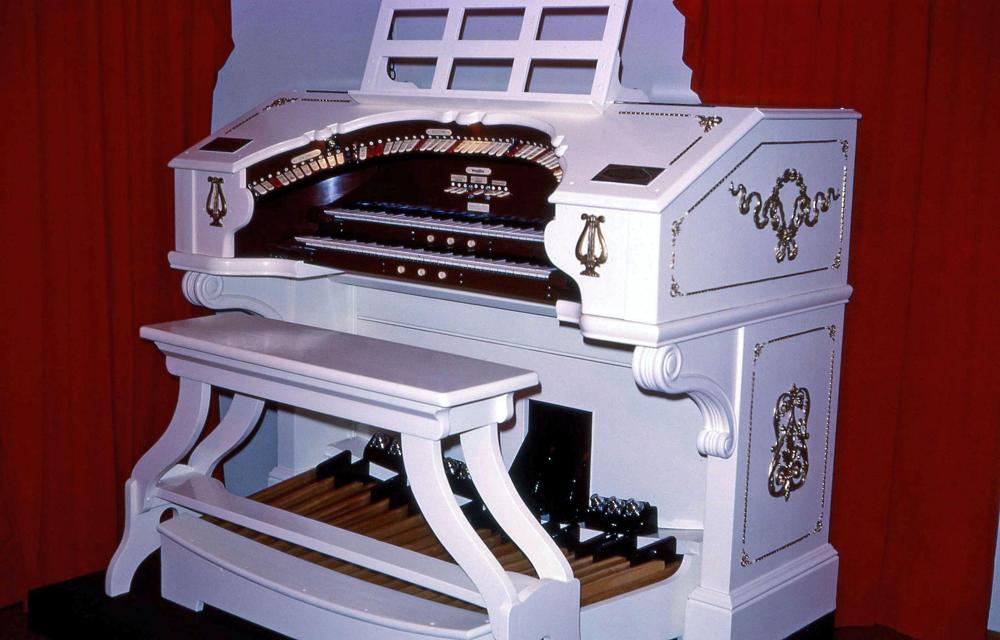
Builder: Rudolph Wurlitzer Manufacturing Co.
Position: Unknown
Design: Horseshoe
Pedalboard Type: Concave Radiating (Details Unknown)
Features:
2 Manuals (61 Notes)32 Note Pedal3 DivisionsElectrical Key ActionElectrical Stop Action✓ Combination Thumb Piston(s)✓ Combination Toe Piston(s)Stop Layout: Stop Keys in Horseshoe Curves
Expression Type: Balanced Expression Shoes/Pedals (Details Unknown)
Combination Action: Adjustable Combination Pistons
Control System: Unknown or N/A
Something missing or not quite correct?Add ConsoleorSuggest an Edit
DETAILS
This instrument is: Not Extant and Not Playable in this location
The organ is currently offered for sale.
Paul R. Marchesano on March 30th, 2021:
Purchased by a private collector at some point who then sold it in 2010 to Media Heritage, the local nonprofit broadcasting history archives. -- Information from an article listing the organ for sale on WVXU Radio website MAR 29, 2021. Mike Martini, president of Media Heritage provided background information and history.
Martini originally hoped to display it at the VOA, but the Wurlitzer is not going to be part of the museum's renovation and expansion. Currently it's in storage at the VOA ( National Voice of America Museum of Broadcasting in West Chester Township).
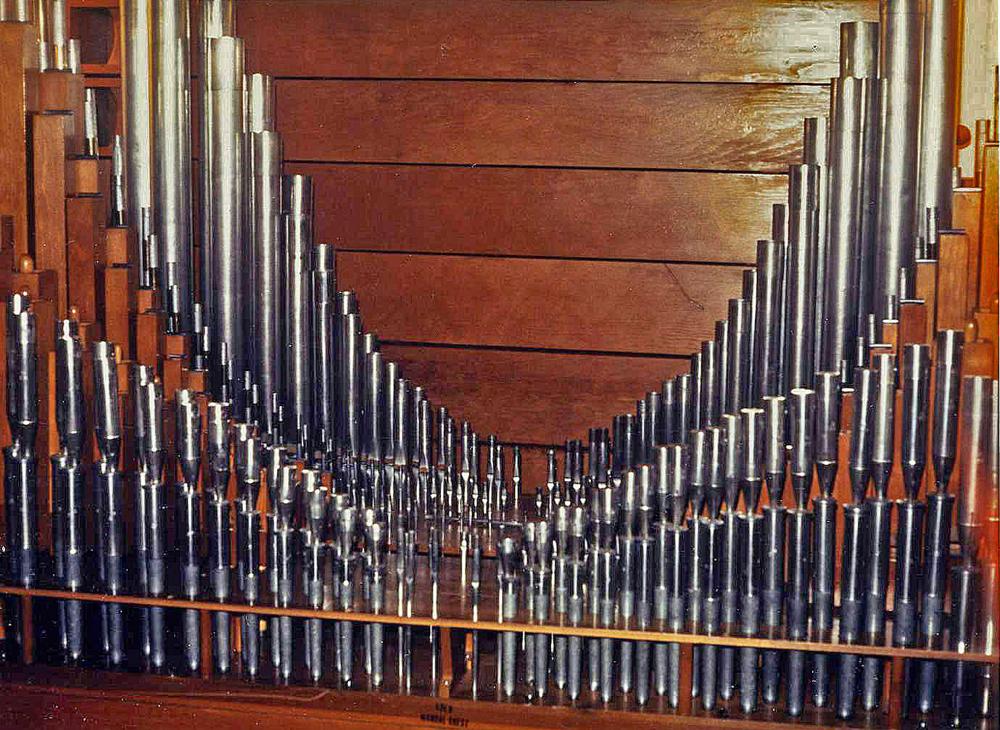
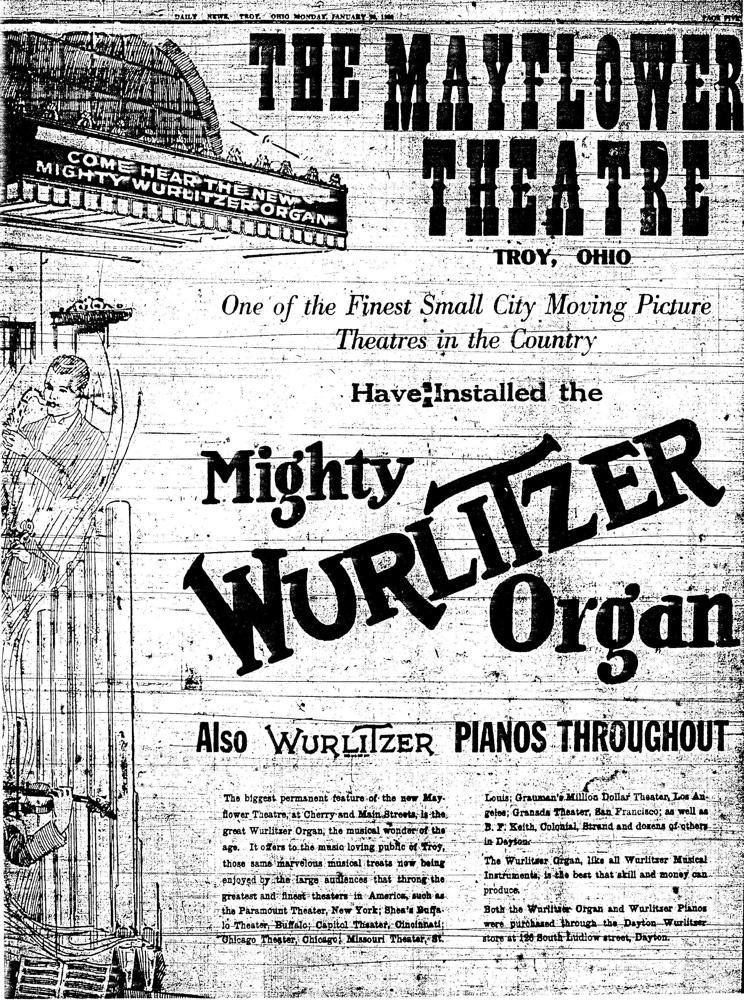
According to a 1928 newspaper story, a "single organist" could control "a full complement of metal and wooden pipes" producing sounds for a piano, harp, xylophone, banjo, trumpet, violin, viola, saxophone, cymbals, snare and base drums, flute, glockenspiel, sleigh bells and a "full set of cathedral chimes."
It can provide a variety of sound effects, including ooga horns, train whistles, caroling birds, galloping horses, raging wind, thunder, rain, a siren and door bell.
The organ is currently in storage at VOA.
Something missing or not quite correct?Add NoteorAdd WebpageorAdd Cross ReferenceorSuggest an Edit